
Learn all about cryptocurrency
The current value, not the long-term value, of the cryptocurrency supports the reward scheme to incentivize miners to engage in costly mining activities. In 2018, bitcoin’s design caused a 1 https://aus-online-casino.com/.4% welfare loss compared to an efficient cash system, while a cash system with 2% money growth has a minor 0.003% welfare cost. The main source for this inefficiency is the large mining cost, which is estimated to be US$360 million per year. This translates into users being willing to accept a cash system with an inflation rate of 230% before being better off using bitcoin as a means of payment. However, the efficiency of the bitcoin system can be significantly improved by optimizing the rate of coin creation and minimizing transaction fees. Another potential improvement is to eliminate inefficient mining activities by changing the consensus protocol altogether.
Of course we now know that this breaks one of our golden rules of sound money – scarcity. The new system instead requires us to simply trust our governments to decide how much money should be created and for what purpose. This is known as Fiat Money, which literally means – this is money because the government says its money.
What is cryptocurrency
Though they claim to be an anonymous form of transaction, cryptocurrencies are pseudonymous. They leave a digital trail that agencies like the Federal Bureau of Investigation (FBI) can follow. This opens up the possibility for governments, authorities, and others to track financial transactions.
The short and easy answer to the title question is that cryptocurrencies are decentralized digital assets that you can acquire and trade on designated exchanges, such as Binance, Coinbase, or Kraken. But what exactly does that mean, and how do they work?
The government produces traditional currency in paper bills and coins you can carry with you or put in a bank to use for purchases and transactions. You store cryptocurrencies in a digital wallet or, crypto wallet, requiring a private key to access. The government backs traditional currency, while cryptocurrency has no government, bank, or financial institution controls. Banks insure money kept in bank accounts against loss, while crypto has no recourse in the event of a loss.
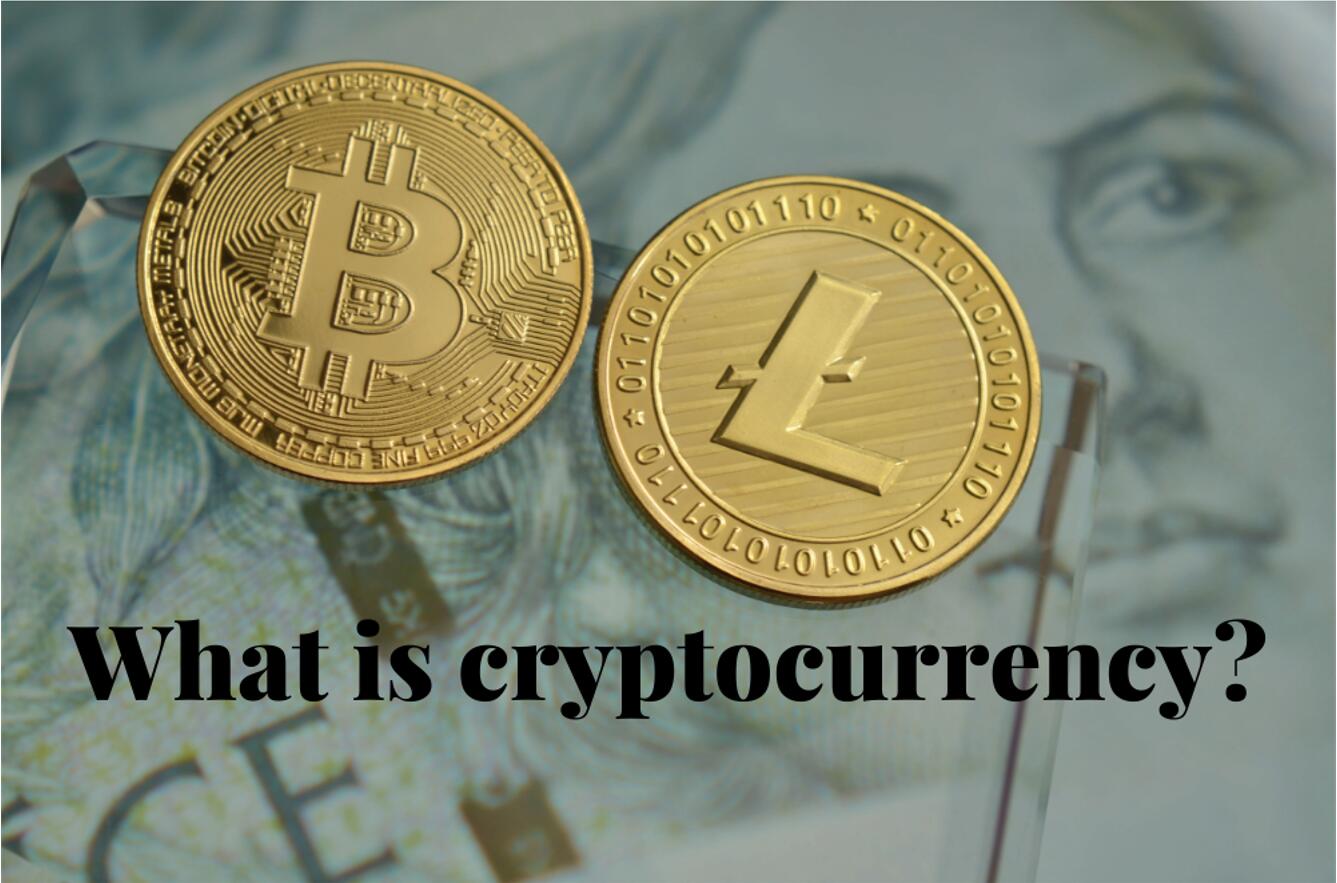
All about cryptocurrency
On 17 February 2022, the Department of Justice named Eun Young Choi as the first director of a National Cryptocurrency Enforcement Team to help identify and deal with misuse of cryptocurrencies and other digital assets.
After the early innovation of bitcoin in 2008 and the early network effect gained by bitcoin, tokens, cryptocurrencies, and other digital assets that were not bitcoin became collectively known during the 2010s as alternative cryptocurrencies, or “altcoins”. Sometimes the term “alt coins” was used, or disparagingly, “shitcoins”. Paul Vigna of The Wall Street Journal described altcoins in 2020 as “alternative versions of Bitcoin” given its role as the model protocol for cryptocurrency designers. A Polytechnic University of Catalonia thesis in 2021 used a broader description, including not only alternative versions of bitcoin but every cryptocurrency other than bitcoin. As of early 2020, there were more than 5,000 cryptocurrencies.
It’s important to remember that Bitcoin is different from cryptocurrency in general. While Bitcoin is the first and most valuable cryptocurrency, the market is large — there are thousands of cryptocurrencies. And while some cryptocurrencies have total market valuations in the hundreds of billions of dollars, others are obscure and essentially worthless.
